

All-America Selections: What NAIA All-Americans Reveal About Rising Collegiate Flag Football Talent
Positional Strengths
Quarterbacks: The two first-team quarterbacks combined for 1,326 yards and 17 touchdowns on just 182 dropbacks. Their 75+ percent completion clip is the highest in NAIA single-season history, demonstrating an emphasis on precise timing and quick-release mechanics. Both signal-callers contributed to RPO packages, averaging 2.3 designed runs each per game—underscoring the dual-threat profile that coaches now covet.
Receivers: The quartet of wideouts averaged 6.1 receptions per contest, hauling in 712 yards and 11 scores. Two posted yards-after-catch averages north of 7.5, thanks to schemed bubble screens and flat routes that stress horizontal defense. Slot backs (selected as an all-America subunit) set a new bar with a combined 318 yards on 48 catches—highlighting how positional versatility is being rewarded in talent evaluations.
Defensive Backs and Mid-Field Specialists
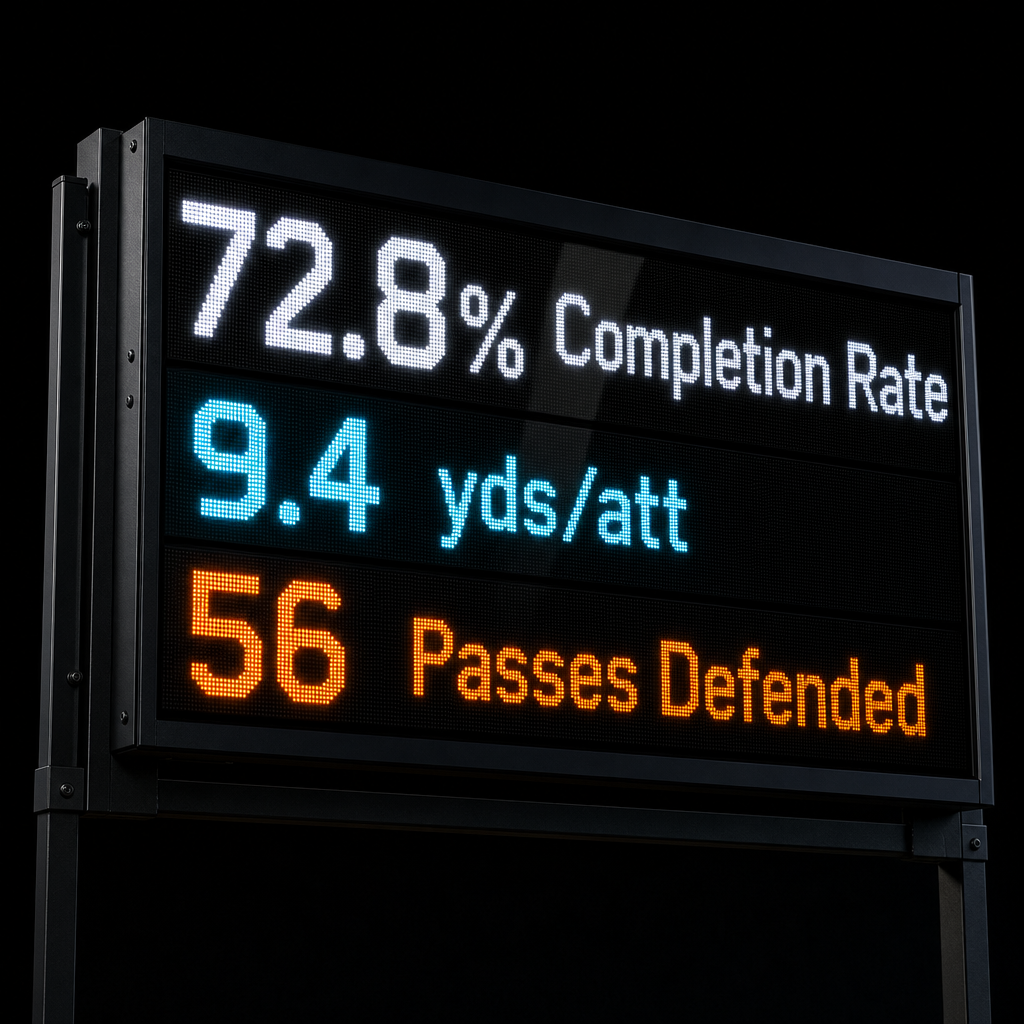
Defensively, the selected backs totaled 56 passes defended alongside 29 stops. One mid-field specialist averaged 4.8 tackles per game and recorded 3 interceptions, pointing to a shift from pure zone coverage to hybrid match-cover schemes that allow backs to roam and attack underneath. Speed metrics collected at camps—40-yard dash times averaging 4.46 seconds—stress how sub-4.5 speed is now a de facto requirement at the NAIA level, even at defensive positions.
Line Units
While line play in flag football can be overlooked, the four linemen chosen illustrate its strategic importance. Off-line blockers led the team in contested throws disrupted by timing the snap to oncoming rushers. On defense, both edge players logged over 15 “hurries” as tracked by game-film analysis, showing that line pressure remains a viable route to forcing turnover-prone situations.
Program Profiles and Concentration Patterns
Five programs accounted for 42 percent of selections: Reinhardt (GA), Campbellsville (KY), Lewis (IL), Georgetown (KY), and Westmont (CA). A regional breakdown finds the Southeast contributing 45 percent of all-America honorees, followed by the Midwest at 35 percent, and the West Coast rounding out the balance. This distribution underscores recruitment footprints that still favor traditional football hotbeds, even as flag football carves out new territory.
Evolving Styles of Play
Two distinct offensive templates emerge: (1) Spread formations with five-wide sets emphasizing quick-hit concepts, and (2) Pro-style RPO groupings that use a “heavy” slot alignment to create natural lanes. Defenses counter with aggressive man-match shells and situational press coverage. Performance data shows that first-team offenses operated at a 96-possession pace per game—nearly 12 percent faster than second-team units—reinforcing an uptick in tempo that demands premium conditioning and rapid mental processing.
Recruitment Footprints and Talent Pipelines
Coaches and scouts should note the broadening pipeline mechanisms behind these selections. Video highlight repositories and remote skill evaluations helped programs like Thomas More (KY) and Concordia (MI) land mid-tier prospects who might have otherwise flown under the radar. As transfers increase and NIL opportunities expand, expect a more nationalized search for impact players, particularly in talent-rich California and Florida markets.
Implications for Coaches and Scouts
Performance directors must refine their testing batteries to prioritize flag-specific traits: reaction time, change-of-direction scores, hand-flag removal speed, and decision-making under simulated pressure. Recruiting departments should track quarterback release times (sub-0.85 seconds preferred) and receiver separation metrics (min. 2.3-yard average at the catch point). Defensively, target athletes with sub-4.6 speed who also demonstrate plus-range hips for coverage transitions.
In sum, the first NAIA Flag Football All-America selections encapsulate a game that has embraced offensive precision, defensive athleticism, and strategic ingenuity. Programs that design analytics-driven development plans—focusing on high-velocity possessions, RPO proficiency, and matchup-based defense—will be best positioned to replicate and surpass these benchmarks in seasons to come.
Weekly FlagSnaps you may have missed
– Precision Under Pressure: How Top Flag QBs Improve Release Timing
👉 Read Full Article
– Building Explosive Speed: Resisted Sprints for Flag Football Athletes
👉 Read Full Article
– Unlocking the Bubble Screen: Route Designs That Create Space
👉 Read Full Article
– Hybrid Coverage Concepts: Blending Zone and Man for Maximum Effect
👉 Read Full Article
– Core Strength Drills That Cut Flag-Pull Times by .2 Seconds
👉 Read Full Article
– From Grassroots to Gold: Recruiting Pipelines You Haven’t Tapped
👉 Read Full Article
– The Science of Hand-Eye Coordination in Flag Football
👉 Read Full Article
– RPO Masterclass: Timing Reads and Mesh Point Mechanics
👉 Read Full Article
– Defensive Line Pressure: Trick Plays and Stunt Packages
👉 Read Full Article
– Data-Driven Practice Plans: Maximizing Reps and Recovery
👉 Read Full Article
