

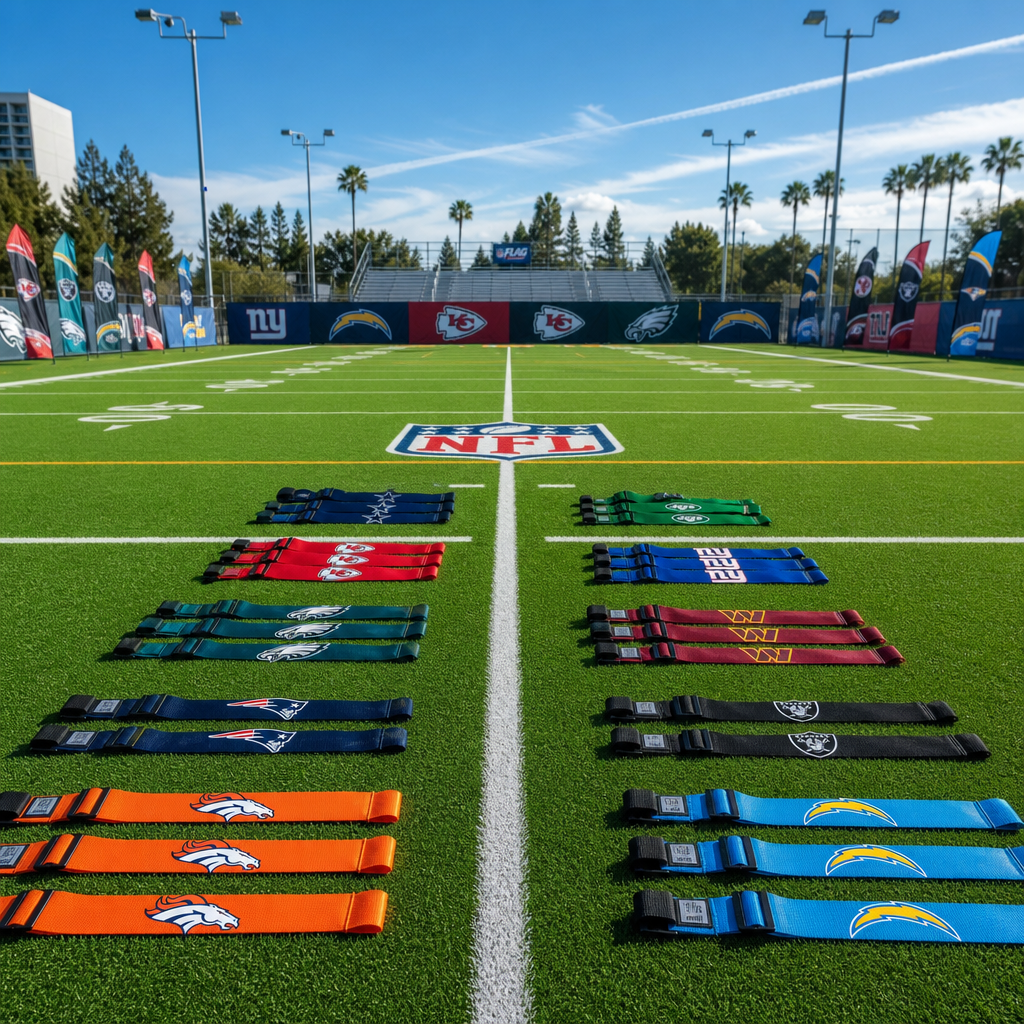
NFL Franchises as Flag Football Catalysts: How Pro Teams Are Shaping the Grassroots
Grassroots flag football has emerged as a focal point in NFL franchise strategy, offering an agile platform to accelerate brand visibility, cultivate community ties, identify emerging talent and advance diversity and inclusion objectives. This season’s initiatives—spanning the New York Giants’ neighborhood leagues, the Philadelphia Eagles’ school partnerships, the New York Jets’ urban festivals, the Tampa Bay Buccaneers’ youth circuits and the Washington Commanders’ regional tournaments—underscore a coordinated push to embed NFL identity at the local level. Below is an operational and strategic analysis for sports marketers and franchise executives.
Strategic Branding Through Local Activation
By sponsoring flag leagues, clinics and pop-up events, franchises translate national brand awareness into hyper-local relevance. The Giants, for instance, have co-branded youth leagues with neighborhood community centers, positioning the team not only as an entertainment provider but as a civic partner. This local activation simultaneously magnifies logo exposure on fields, uniforms and digital content, and delivers high-frequency brand touches among families that might not otherwise attend an NFL game. The ubiquity of team colors and mascots—whether on pinnies, banners or social-media filters—reinforces brand salience at an early age and seeds future ticket sales, merchandise purchases and media consumption habits.
Community Building and Stakeholder Engagement
Flag football programs serve as natural conduits for forging relationships with local schools, youth organizations, corporate sponsors and municipal authorities. The Eagles’ school-based flag curriculum weaves in life-skills workshops and health panels, engaging principals and parent-teacher associations as active stakeholders. Meanwhile, the Jets’ citywide “FlagFest” integrates food trucks, local artisans and nonprofit booths alongside 7-on-7 brackets, creating a community festival rather than a mere sports clinic. Such multipartner collaboration elevates the franchise’s social capital, and opens new sponsorship channels with nontraditional backers—healthcare providers, banks and tech firms seeking to reach families in community settings.
Talent Identification and Development Pipeline
While flag football is noncontact, it mirrors key aspects of the tackle game—route running, field vision, competitive instincts—making it a fertile scouting environment. The Buccaneers’ summer combines crown standout performers with access to coaching staff from youth to high-school levels. Overlooking flag football would mean bypassing a pre-draft touch point for under-the-radar athletes. By integrating data capture—GPS tracking, video analysis and skill metrics—franchises can populate proprietary databases, chart player progressions and potentially recruit elite flag players into their broader football academies or camp circuits. In certain markets, the diminished barrier to entry in flag (no pads, lower costs) actually broadens the talent pool, revealing prospects who may lack resources for tackle-heavy programs.
Diversity & Inclusion as a Core Imperative
League-wide diversity goals translate organically into flag football outreach, where gender, economic and cultural barriers are lower. The Commanders’ coed leagues and scholarship-backed team slots ensure participation across income brackets. Their program highlights female captains and community mentors from diverse backgrounds—sending an inclusive brand message that the franchise values equal opportunity. Such initiatives dovetail with broader NFL commitments to increase female and minority representation in coaching, officiating and front-office roles. By spotlighting diversity at the grassroots, franchises signal genuine investment in community equity rather than token gestures tied solely to game-day messaging.
Integrated Marketing and Digital Amplification
Franchises are pairing on-ground activation with robust digital storytelling. Live-streamed flag finals, TikTok highlights of viral touchdown “strips” and Instagram reels featuring local stars multiply the impact of single events. The Giants produce weekly “Flag Football Friday” segments, showcasing standout plays and fan interviews—blurring the lines between youth programming and professional content. This user-generated asset library not only fuels social channels but also feeds broader CRM strategies, as players’ families and friends opt into e-newsletters, loyalty programs and ticket-drop alerts.
Commercial and Sponsorship ROI
From a revenue viewpoint, flag football partnerships unlock new sponsor categories—athletic apparel start-ups, youth nutrition brands and technology platforms provide equipment, prize support or digital infrastructure. The Buccaneers, for instance, negotiated in-kind partnerships for field turf and wearable tech, offsetting program costs and enabling tiered participation fees to remain accessible. Franchises track brand lift via pre- and post-program surveys, sponsor activation uptake and local broadcast ad metrics, maintaining a data-driven case for expanding next year’s investment.
Long-Term Fan Development and Retention
Grassroots flag initiatives are the front lines of fan conversion. A 10-year-old who grows up in an NFL-branded flag league is likelier to adopt game-day rituals, wear fan gear and eventually upgrade to season tickets. Moreover, engaging parents and siblings creates household-level loyalty. By systematizing touch points—from tryouts through league championships—franchises engineer a multi-year journey that aligns with family calendars and lifecycle spending patterns.
Conclusion
Investing in grassroots flag football transcends a feel-good community program; it is a linchpin of contemporary franchise strategy. By leveraging these leagues for brand immersion, stakeholder engagement, talent discovery, inclusion mandates, digital storytelling and commercial partnerships, NFL teams construct a durable ecosystem of loyalty and regional relevance. For sports marketers and executives, the lesson is clear: flag football is not simply an entry point to the game—it is a strategic fulcrum that can shift brand equity, fan demographics and revenue streams over the next decade.
Weekly FlagSnaps you may have missed
High-school track meets embrace electronic timing to revolutionize athlete data collection
👉 Read Full Article
Soccer clubs debut augmented-reality drills to boost youth engagement
👉 Read Full Article
College basketball’s NIL landscape: how mid-majors are competing for top recruits
👉 Read Full Article
Minor-league baseball teams drive fan loyalty with digital ticketing perks
👉 Read Full Article
eSports organizations partner with pro leagues to diversify sponsorship portfolios
👉 Read Full Article
Women’s lacrosse sees surge in viewership after live-streaming enhancements
👉 Read Full Article
Regional rugby franchise launches NFT drops to connect with Gen Z fans
👉 Read Full Article
Youth tennis programs integrate mental-health workshops for holistic player development
👉 Read Full Article
Fitness brands co-host obstacle-course events with pro athletes for experiential marketing
👉 Read Full Article
IIHF expands youth hockey festivals to tap into nontraditional U.S. markets
👉 Read Full Article
